
Undercoating & rust prevention · Nantucket, MA
Rust takes island trucks from underneath. This stops it.
Salted winter roads, ferry spray, and air that never stops being salty — it all collects on the frame, where you never look. Regular FLUID FILM® applications — before winter and after — keep it from settling in.
Book UndercoatingWhat the island does underneath your vehicle
The paint gets washed. The frame never does.
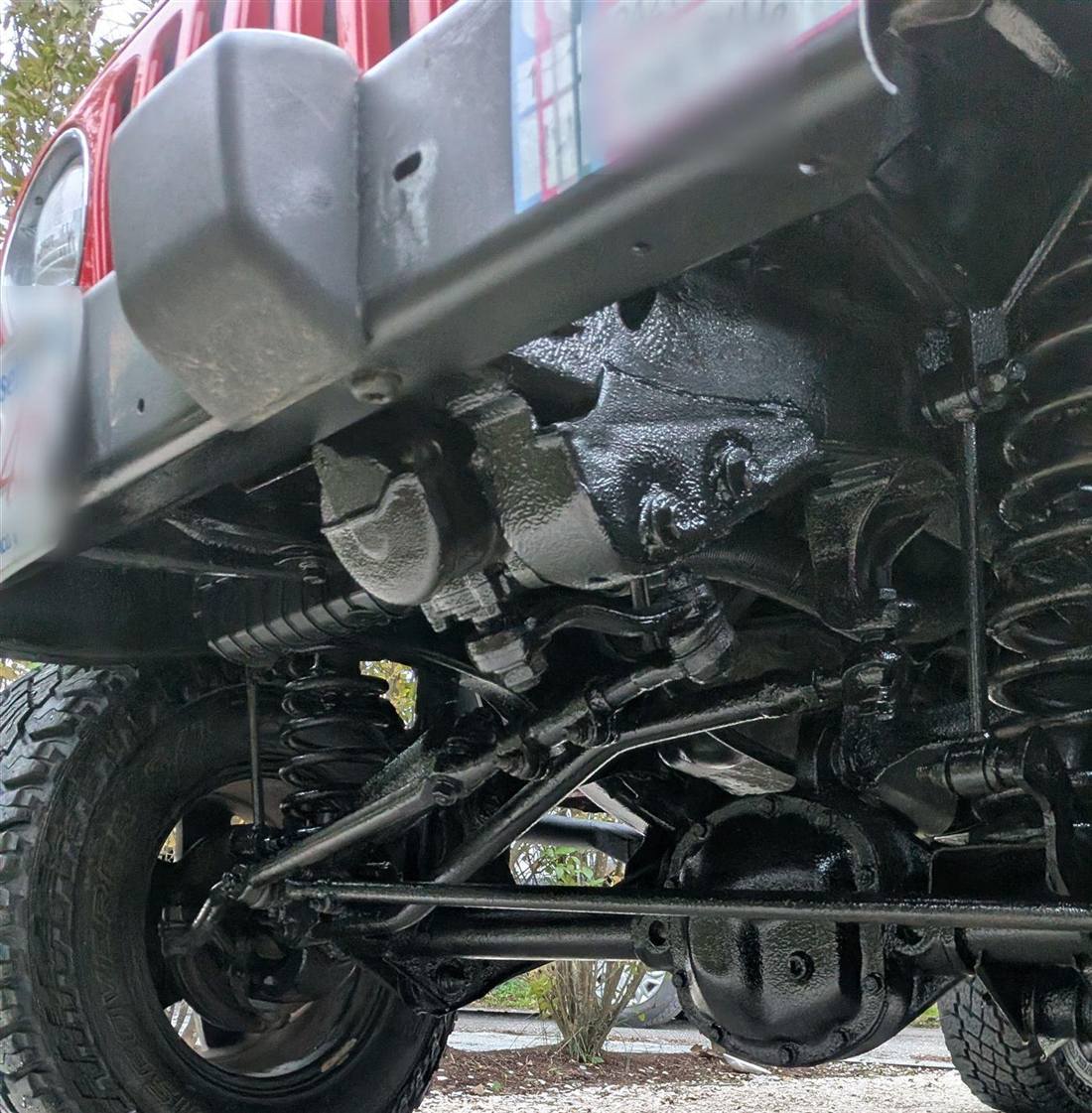
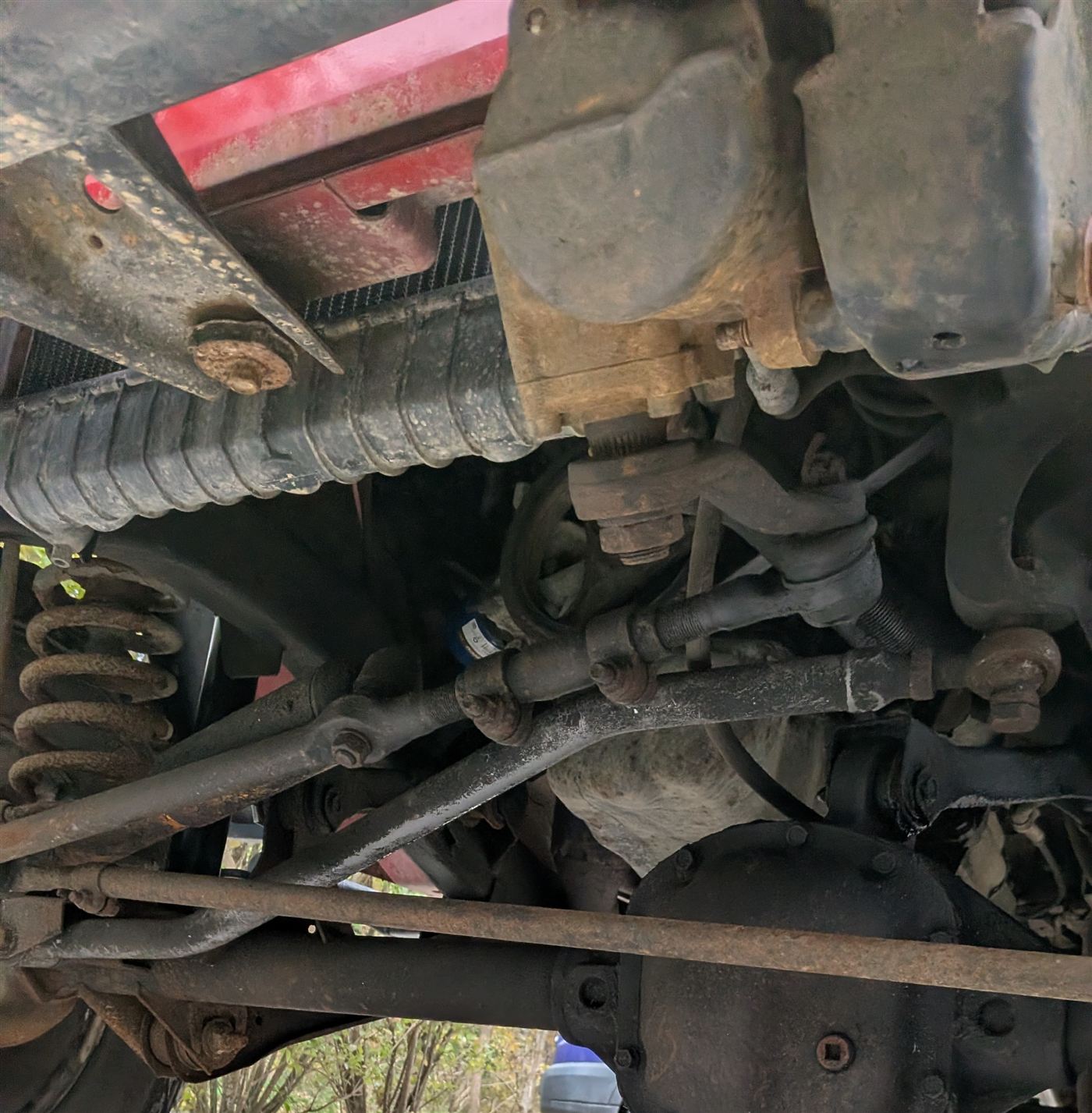
Before and after
The same chassis, one application apart
$700 per application
Applied at your driveway. We recommend before winter, and again after.
ACK Detailing is a certified FLUID FILM installer — check the manufacturer's own installer map and search 02554. We're the only one on the island.
FLUID FILM is a lanolin-based coating, originally developed to protect ships from saltwater corrosion. It never dries or hardens, so it creeps into seams, frame rails, and cavities and keeps protecting there. Because it stays soft, it's self-healing, and it doesn't crack or trap moisture underneath the way a hard-shell undercoating does.
No solvents, non-toxic, safe on every metal. Salt is in the air here year-round, so it needs doing regularly.
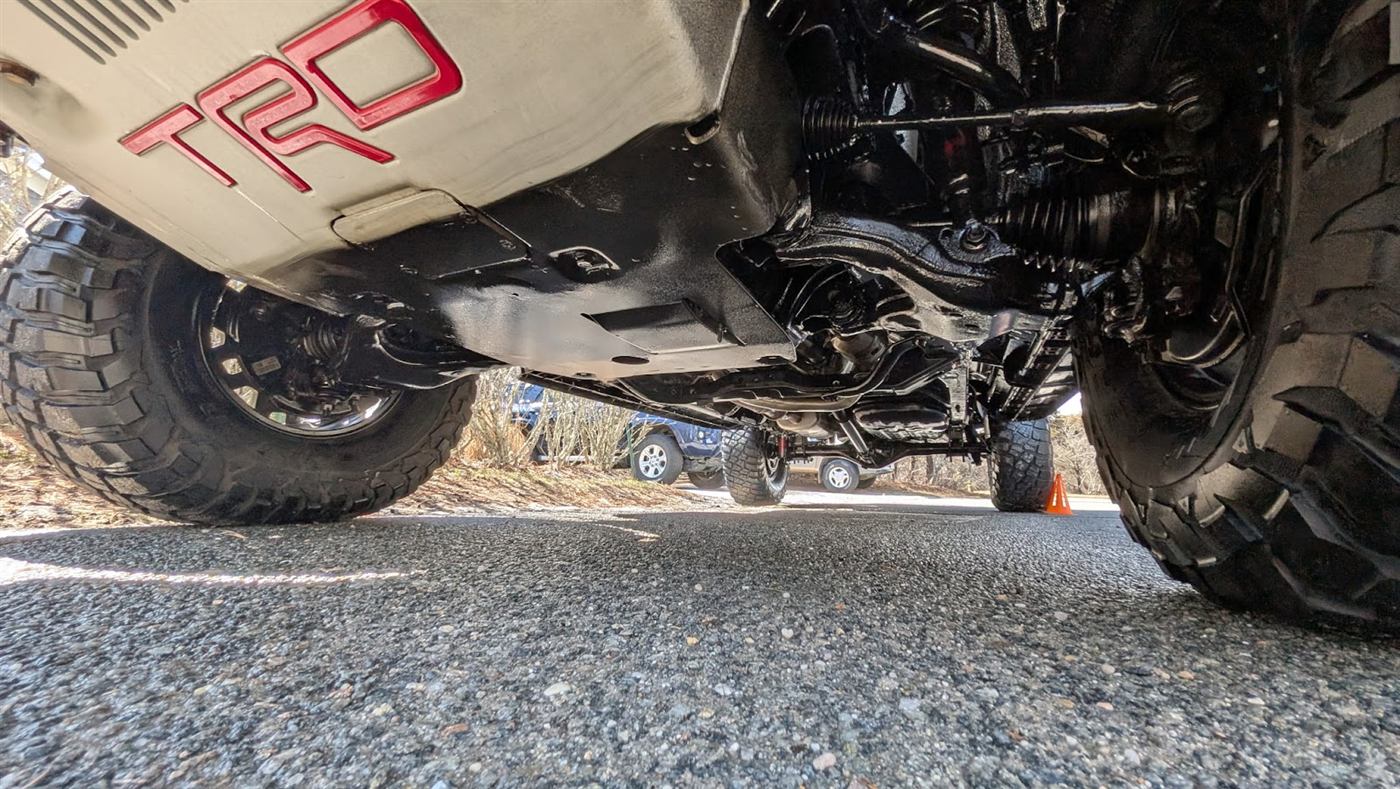
"100% highly recommended! I never thought I'd see my truck's chassis looking so clean. Ackdeataling is very professional and especially very fast."
Daniel Benite
Read on Google →Frequently asked questions
My truck already has some rust. Is it too late?
FLUID FILM won't remove rust that's already there, but applied over it, it stops the spread on contact and penetrates the rust scale down to the base metal. If the frame is structurally rotten, we'll tell you honestly before you spend a dollar — that's a body shop conversation, not an undercoating.
How often does it need to be done?
On an island, regularly — the salt here isn't just on winter roads, it's in the air. Our recommendation: one application right before winter, and another right after. Most of our undercoating customers are on that schedule.
Will it drip or make a mess of my driveway?
It goes on as a soft, wet film and stays that way — expect a light dusting at first, and over the season road grime will cling to the film instead of your metal. That's it working. Because there are no solvents, it never hardens into a crust that can crack and flake away.
Will it ever dry? Can I paint over it?
It never dries — no solvents means nothing evaporates, and staying wet is the whole point, because a film that dries is a film that eventually cracks. And it isn't permanent: if you ever need to paint or weld a treated area, it can be removed with standard cleaners.
Why not a hard rubberized undercoating?
Hard shells look tough on day one, but they crack — and once water gets behind a cracked shell, it's trapped against bare metal and the rust runs faster than if you'd done nothing. FLUID FILM never hardens, so there's nothing to crack, and it creeps into the seams and cavities a spray-on shell can't reach.
What makes FLUID FILM different from other rust sprays?
Most rust products are 70–90% solvent — the solvent evaporates, the film shrinks, cracks, and washes off. FLUID FILM contains no solvents at all. The lanolin embeds into the pores of the metal, resists wash-off, and keeps migrating into seams and moving parts, sealing moisture and oxygen away from the base metal all season.
Is it safe around paint, plastic, and wiring?
Yes. It won't harm paint or plastics, and it's non-conductive, so electrical connections, sensors, and battery terminals are safe — it's actually used to protect them. The one caution is certain non-oil-resistant rubber parts, which we know to keep it away from. It protects every metal on the vehicle: steel, aluminum, copper, chrome.
Is it safe for the island?
It's classified non-toxic and non-hazardous, with under one percent VOC content and no solvents or heavy metals — originally formulated to protect ships at sea. We wouldn't spray anything under your truck that we wouldn't want in our own driveways.
When's the best time to book it?
Now. This is an island — the salt is in the air, not just on winter roads, and unprotected metal rusts fast in any season. It needs doing regularly: we recommend right before winter and right after. We come to you, and the application is done in your driveway.
Salt never takes a season off
Before winter and after — we bring everything to your driveway.
Book Undercoating